If you’ve ever stopped to admire the crisp facets and luminous clarity of a crystal medal—whether it’s a custom recognition piece for a company’s top sales rep, a commemorative honor for a community volunteer, or a keepsake for a championship athlete—you might assume its perfect form is permanent. As a crystal medal supplier, I get dozens of questions every week from clients asking, “Why did my crystal medal get cloudy?” or “My custom award developed a scratch I didn’t put there.” I used to chalk most of these up to mishandling, but over the past decade in this business, I’ve learned that environmental factors play a far bigger role in the condition and appearance of crystal medals than many people realize. Not all crystals are the same, and how they interact with the world around them can turn a pristine, award-worthy piece into something that doesn’t live up to the intended honor—sometimes faster than you’d expect. Let’s break down the key environmental factors that affect crystal medals, why they matter, and what we do as a supplier to help mitigate these issues for our clients. Crystal Medal
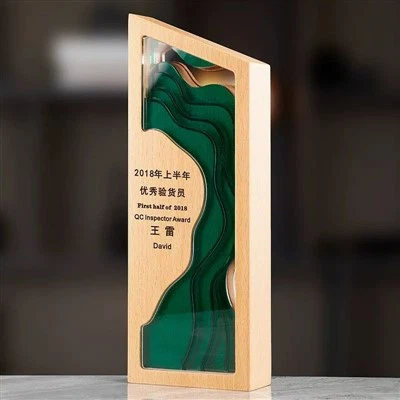
First, let’s start with the basics: what are crystal medals made of? Most quality crystal medals aren’t actually quartz or natural crystal—they’re leaded or leaded crystal glass, formulated to be durable but still retain that brilliant, light-refracting shine. The exact composition varies, but the main ingredients are silica, soda ash, and lime, with lead added to boost clarity and weight for a premium feel. That composition is what makes them susceptible to environmental changes, because glass is inherently reactive to certain conditions, even if it feels solid to the touch.
One of the most common environmental culprits is humidity. I had a client a couple years back who ordered 50 crystal medals for a regional sports tournament, stored them in a closet in a basement that had a leaky pipe, and within two weeks, 12 of them had developed a dull, cloudy haze across their surfaces. At first I thought they must have been scratched or cleaned improperly, but when they sent photos and the affected pieces back, I examined them closely and recognized the signs of moisture damage. High humidity, especially when paired with temperature fluctuations, creates condensation on the surface of crystal glass. That condensation isn’t just water sitting on top—it seeps into tiny, invisible pores in the glass, and over time, minerals in the water (like calcium and magnesium) begin to etch the surface. It’s called water spotting, but when it’s widespread, it turns the medal’s high-shine finish into something matte and dull. What’s more, if the humidity is high enough for extended periods, it can even react with the lead in the crystal (for leaded varieties) to create a sticky, discolored residue that’s impossible to buff out without damaging the medal. This is a big one for clients who plan to display crystal medals in areas like bathrooms, sunrooms, or unheated outdoor sheds, where humidity levels can spike dramatically without proper ventilation.
Temperature fluctuations go hand-in-hand with humidity, and they’re equally damaging. Glass expands when it’s warm and contracts when it’s cold, and crystal is no exception. The problem arises when that temperature change is sudden and extreme. For example, if a client displays a crystal medal right next to a space heater or in direct, intense sunlight for hours, then suddenly moves it to a cool, air-conditioned room, the rapid shift causes the crystal to expand and contract unevenly. This thermal stress creates micro-cracks in the glass—tiny, hairline fractures that are invisible to the naked eye at first, but over time, they catch dust and moisture, turning the medal’s facets cloudy and causing it to appear warped. I’ve seen this happen to trophies that were left in a car on a hot summer day, then brought indoors: within a day, fine cracks appeared along the edges where the medal was beveled, and the light refraction was completely off. Even gradual, regular temperature changes can add up over months or years—think of a medal displayed near a window, where it gets direct sun every afternoon, then cool every night. That constant expansion and contraction weakens the crystal’s surface, making it more prone to scratches and discoloration over time.
Chemicals in the environment are another major factor, and most people don’t realize how many common household or industrial substances can harm crystal medals. Cleaning products are a big one: if someone uses a harsh glass cleaner with ammonia or alcohol to polish a crystal medal, those chemicals can eat away at the crystal’s surface, eroding the fine, polished facets that make the medal look so bright. But it’s not just intentional cleaning—even fumes from everyday items can damage crystal. For example, if someone stores crystal medals near a pile of cleaning supplies, paint cans, or even laundry detergent, the volatile organic compounds (VOCs) in those products can bond with the crystal’s surface over time, leaving a permanent, yellowish or cloudy film. I had a corporate client a few months back who stored a stack of new crystal medals in a storage unit that had leftover oil-based paint cans in the same space. Within three months, half the medals had yellowed around the edges, and there was no way to remove the discoloration without ruining the medal. Even things like cigarette smoke, perfume, and hairspray can leave residues on crystal that dull its shine, especially if the medal is displayed in a room where these substances are regularly used.
Light exposure, specifically ultraviolet (UV) light, is another environmental factor that affects crystal medals, though it’s more gradual than humidity or temperature stress. UV rays from the sun (or from indoor fluorescent and LED lights, though to a lesser degree) can break down the chemical structure of crystal over time. For leaded crystal, in particular, UV light can cause the lead to oxidize, leading to a gradual yellowing of the crystal—something you often see in vintage crystal glassware that’s been displayed near a window for decades. Custom crystal medals, which are often polished to a clear, bright white finish, are especially susceptible to this. A client who displays a championship crystal medal in a home office with a south-facing window might notice that after five or six years, the medal’s edges have turned a faint yellow, and its clarity is reduced. Even low-level UV light from indoor lights adds up over time, so medals displayed under overhead lights without proper UV filters can still show signs of discoloration years down the line.
Now, before you panic and think all crystal medals will be ruined by a little humidity, let’s talk about what we do as a supplier to counteract these environmental factors—and what you can do to protect your crystal medals. First, when we manufacture our crystal medals, we use a high-quality, lead-free crystal option for clients who plan to display their medals in high-humidity areas, or who want a more durable, low-maintenance piece. Lead-free crystal is less reactive to moisture and chemicals, so it’s far less likely to develop cloudiness or discoloration over time. We also apply a protective nano-coating to every medal we ship, which creates a thin, invisible barrier that repels moisture, dust, and mild chemicals. This coating is scratch-resistant, too, so it adds an extra layer of protection against small scuffs that can happen during handling or display.
In addition, we provide each client with a care guide when they order, which outlines simple steps to preserve their crystal medals. Some of these tips might seem obvious, but they make a huge difference: store medals in a cool, dry area away from direct sunlight and extreme temperature changes, display them on a closed shelf instead of a drafty windowsill, avoid using harsh cleaning products (we recommend mild soap and warm water, or a gentle microfiber cloth for polishing), and keep medals away from areas where they might be exposed to fumes from chemicals or cleaning supplies. For clients who want to display medals in high-humidity spaces like bathrooms, we recommend using a display case with a seal to prevent condensation from building up around the medal—this is a small investment that can extend a medal’s life by decades.
I also want to be clear that not all “damage” to a crystal medal is due to environmental factors. Scratches, for example, are usually from mishandling—someone setting a heavy object on the medal, or dragging it across a hard surface. But even scratches can be prevented with proper care, and our team can help with small touch-ups if a medal gets scratched, though we always advise clients to avoid attempting to buff out scratches themselves, as that can damage the crystal’s polished facets.
As someone who’s been in the crystal medal business for 12 years now, I’ve seen thousands of medals—some that have been passed down through families for generations, still bright and clear, and some that became dull within a year because of poor environmental conditions. The best part of my job is working with clients to make sure their custom medals look as good on the 10th anniversary of the award as they did on day one. Whether you’re ordering crystal medals for a corporate recognition program, a community sports league, a wedding, or a personal keepsake, it’s important to consider the environment where the medals will be displayed or stored, because that can make all the difference in their longevity.
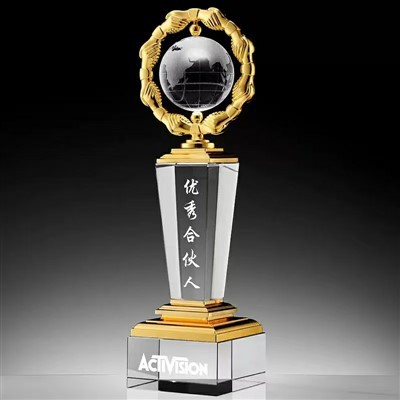
At the end of the day, a crystal medal isn’t just a piece of glass—it’s a symbol of someone’s hard work, a team’s victory, or a meaningful milestone. We take that responsibility seriously, which is why we focus not just on making beautiful, high-quality medals, but also on educating our clients about how to care for them. If you’re thinking about ordering crystal medals for your next event or program, we’d love to help you choose the right type of crystal, add protective features, and answer any questions you have about caring for your medals. Don’t hesitate to reach out to start a conversation about your needs—we’re here to make sure your awards shine for years to come.
Crystal Medal References
Crown Glass Manufacturers Association. (2021). Care and Preservation of Crystal Glass Awards. Glass Industry Association Publications.
National Institute of Standards and Technology. (2019). Thermal Expansion Properties of Common Glass Formulations. NIST Special Publication.
Environmental Protection Agency. (2020). Volatile Organic Compounds in Household Products: Impacts on Durable Goods. EPA Office of Air and Radiation Reports.
International Crystal Society. (2022). Effects of Humidity and pH on Crystal Glass Surfaces. ICS Research Journal.
Pujiang County Hongxin E-commerce Co., Ltd.
As one of the most professional crystal medal manufacturers and suppliers in China, we offer a wide range of products with superior quality. Please rest assured to wholesale high-end crystal medal at competitive price from our factory. Good service and punctual delivery are available.
Address: No. 6, Row 4, Section 4, Yuequan West Road, Pujiang
E-mail: hongjiangluo95@gmail.com
WebSite: https://www.crystalcraftfactory.com/
