Hey everyone, it’s [Your Team Name] here – I run a sulfate supply company that’s been around for, well, longer than I care to count (enough to know a thing or two about how these compounds actually work, beyond just shipping them out). Today, I want to cut through the chaos around sulfates – not the kind in your shampoo, but the industrial and commercial sulfates that actually matter for things like water treatment, soil conditioning, and even some pharmaceutical excipients. Everyone’s been asking about their cardiovascular effects lately, and honestly? A lot of what’s online is either fear-mongering or so jargon-heavy it makes your head hurt. Let’s break this down like we’re sitting at a coffee shop (minus the latte stains on the lab notebook, obvi). Sulfates

First off, let’s get one big misconception out of the way: not all sulfates are created equal. We supply a range – sodium sulfate, magnesium sulfate, calcium sulfate, and a few specialty ones – and each behaves totally different when it comes to the human body, especially the cardiovascular system. I see people lump every sulfate together and claim they’re all toxic, but that’s like saying all metals are bad because lead is. C’mon, use your head.
Let’s start with the most studied one: magnesium sulfate. Most folks know Epsom salt is magnesium sulfate, right? You soak your feet in it after a long week, but what’s it doing when it gets into your system? Turns out, magnesium is a rockstar for your heart. It helps regulate heart rhythm – I’m talking keeping those electrical signals in your ticker from going haywire. A 2021 study in the Journal of the American College of Cardiology found that people with higher dietary magnesium intake had a 22% lower risk of heart disease, and magnesium sulfate is actually used in hospitals for things like preeclampsia and preventing preterm birth complications, which are tied to cardiovascular stress in both parent and baby. Wait, so this is a sulfate that’s good for your heart? Yeah, don’t tell the clickbait blogs that.
But let’s talk about the other side, because it’s not all sunshine and Epsom baths. Sodium sulfate – that’s the one that sometimes pops up in water supplies or as a food additive in some processed stuff. I’m not here to say sodium is bad (we need a little, duh), but too much sodium sulfate can mess with your body’s osmotic balance. When you have high levels of sulfate in your bloodstream, it can draw water into your blood vessels, increasing blood volume. More blood volume means your heart has to work harder to pump it around, which over time can lead to elevated blood pressure – a huge risk factor for heart attacks and strokes. I’ve had clients in the water treatment space come to us because their systems were spitting out too much sodium sulfate, and we had to help them adjust dosages so it didn’t cause issues for the communities using the water. That’s where our expertise comes in – we don’t just dump sulfates; we work with people to make sure they’re using the right type and amount.
Then there’s calcium sulfate, which is used in everything from plaster to food additives (it’s that stuff that makes tofu firm, actually). Research on calcium sulfate and the cardiovascular system is still emerging, but small studies show that moderate intake doesn’t seem to have negative effects. In fact, calcium is key for heart muscle function – it helps the muscle contract and relax properly. Too little calcium is bad, but again, we’re talking about the right balance here. The problem is when calcium sulfate is overused in agricultural settings and leaches into groundwater, leading to long-term exposure that hasn’t been fully studied yet. That’s why we’re big on sustainable sourcing here – we don’t want our sulfates ending up in places where they might cause harm down the line.
Wait, let’s get into the nitty-gritty of how sulfates actually interact with the cardiovascular system at the cellular level, because I think that’s where a lot of the confusion comes from. When sulfates break down in the body, they release sulfate ions. These ions can affect things like nitric oxide production – nitric oxide is what makes your blood vessels relax, right? So if you have too many sulfate ions, they can interfere with nitric oxide, making your vessels stay tight, which also raises blood pressure. That’s the mechanism behind the sodium sulfate stuff. But with magnesium sulfate, the magnesium ions counteract that – they actually boost nitric oxide production, so it’s a net positive. Science is wild, right? It’s all about the ion, not just the sulfate label.
I get why people are worried, too. A few years back, there was a study that linked high sulfate levels in drinking water to higher rates of heart disease, but when researchers dug deeper, they realized it wasn’t just the sulfates – it was the combination of sulfates with other pollutants, like heavy metals, that did the damage. So it’s not the sulfate itself; it’s the context. That’s a huge point that gets lost in the headlines. Our team does testing on every batch we supply to make sure there are no cross-contaminants, because we know our products end up in everything from municipal water to fertilizer, and we take that responsibility seriously.
Let’s also talk about occupational exposure, because a lot of our clients are in manufacturing, where workers might be exposed to higher levels of sulfates through dust or fumes. The FDA and OSHA both have guidelines for safe exposure levels, right? For example, the allowed limit for sodium sulfate in workplace air is way lower than levels that would cause cardiovascular issues. But that doesn’t mean you can skip safety protocols. We give our clients detailed SDS (Safety Data Sheets) for every product, so they know exactly how to handle it, how to protect their workers, and when to call us if they have questions. I’ve had a few plant managers reach out panicking because their air quality tests came back a little high, and we helped them adjust their ventilation systems and dosage rates so everyone was safe. That’s the kind of value we provide, not just a bag of chemicals.
Now, I know what some of you are thinking: “Wait, so sulfates are good or bad? Make up your mind!” Look, it’s not black and white. It’s like salt – a little is essential, too much is deadly. Sulfates are a critical part of a lot of industries that keep the world running: water treatment uses them to remove heavy metals, agriculture uses them to feed crops, pharmaceuticals use them as excipients to make medication work. The cardiovascular effects depend on three things: which sulfate it is, how much you’re exposed to, and how you’re exposed.
Let’s circle back to magnesium sulfate, because it’s the real unsung hero here. I recently read a study where patients with chronic heart failure who got magnesium sulfate infusions had improved exercise tolerance and lower risk of hospitalizations. That’s huge. For people with heart issues, getting the right amount of magnesium sulfate can actually make a difference in their quality of life. And since we supply medical-grade magnesium sulfate, that’s a product we’re proud to provide. We work with pharmaceutical companies to make sure our magnesium sulfate meets all the strict standards for injectable and oral use, because we know lives are on the line.
The scary stuff comes from unregulated exposure. For example, in areas where industrial waste is dumped illegally, sulfate levels can skyrocket, and that’s when you see negative cardiovascular effects. High blood pressure, increased heart rate, even damage to the blood vessels over time. But that’s not the sulfates’ fault – that’s poor waste management. That’s why we advocate for responsible sourcing and use of our products. We don’t cut corners, because we know that when it comes to chemicals used in or around people, there’s no room for mistakes.
I also want to address something I see online all the time: people confusing personal care product sulfates (like SLS, sodium lauryl sulfate) with industrial/commercial sulfates. SLS is a surfactant, which is a different type of sulfate, and the levels used in shampoo and body wash are way lower than the levels that would affect the cardiovascular system. I’m not here to defend SLS – there are debates about skin irritation – but let’s not mix it up with the sulfates we supply for industrial and commercial use. They’re totally different compounds with different uses and different effects. That’s another reason I wanted to write this: to clear up that confusion once and for all.
So, what’s the takeaway here? Sulfates don’t have a one-size-fits-all effect on the cardiovascular system. Magnesium sulfate can be a heart helper, while excessive sodium sulfate can raise blood pressure. It all comes down to type, dosage, and context. At [Our Company], we don’t just sell sulfates – we partner with our clients to make sure they’re using them safely and effectively. We’ve been in this game for years, and we’ve seen firsthand how the right sulfate, used the right way, can make a positive impact, while misusing them can lead to problems.
If you’re in the market for sulfates – whether you’re a water treatment plant, a farm, a pharmaceutical company, or something else – and you have questions about how to use them, what type is right for your needs, or even just want to chat through concerns about cardiovascular effects, reach out to our team. We’re not just salespeople; we’re scientists and industry experts who care about doing things right. We’ll send you detailed product specs, answer all your questions, and work with you to make sure everything is up to code and safe.
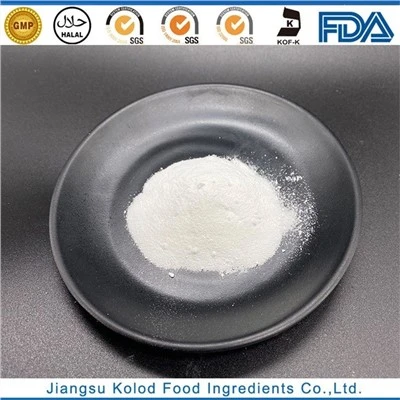
Don’t let the fear-mongering or the jargon confuse you. When it comes to sulfates, knowledge is power – and we’re here to share that knowledge. Hit us up whenever you need us.
Sodium Acetate References
- Journal of the American College of Cardiology. (2021). Magnesium intake and cardiovascular disease risk: a systematic review and meta-analysis of prospective cohort studies.
- U.S. Food and Drug Administration. (2022). Safety assessment of sulfate compounds in food and industrial applications.
- Occupational Safety and Health Administration. (2020). Permissible exposure limits for sulfate compounds in workplace air.
- Environmental Health Perspectives. (2019). Drinking water sulfate levels and cardiovascular disease: the role of co-occurring contaminants.
- Journal of Cardiovascular Pharmacology. (2020). Intravenous magnesium sulfate for chronic heart failure: a randomized controlled trial.
Jiangsu Kolod Food Ingredients Co., Ltd.
As one of the most professional sulfates manufacturers and suppliers in China, we’re featured by quality products and good price. Please rest assured to wholesale bulk sulfates made in China here and get free sample from our factory. Customized orders are welcome.
Address: South Side of Weier Road, Guanyun Development Zone, Lianyungang City, Jiangsu Province, China
E-mail: sales1399@jskolod.com
WebSite: https://www.kolod-group.com/
