Yo! I’m a rep from a packaging equipment supplier, and I get asked all the time, "What kind of packaging materials are compatible with different packaging equipment?" It’s a great question, and I’m here to break it down for you in a way that’s easy to understand. Packaging Equipment
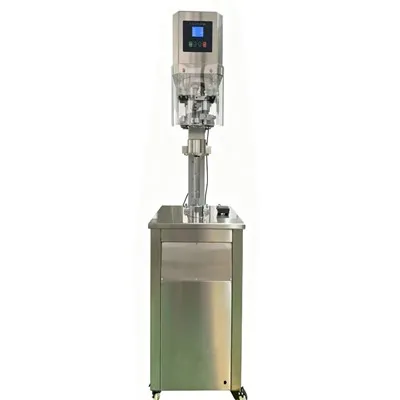
Let’s start with the basics. There are a bunch of different types of packaging equipment out there, and each one is designed to work best with certain materials. The most common types of packaging equipment include filling machines, sealing machines, labeling machines, and wrapping machines.
Filling Machines
Filling machines are used to put products into containers. They can handle all sorts of stuff, like liquids, powders, granules, and even solids. The type of filling machine you need depends on the product you’re filling and the container you’re using.
- Liquid Filling Machines: These are used for products like water, juice, oil, and cleaning solutions. They work well with materials like glass bottles, plastic bottles, and cans. Glass is great because it’s inert and doesn’t react with most liquids. Plastic is lightweight and cost – effective, and cans are durable. Liquid filling machines can use technologies like gravity filling, piston filling, or peristaltic filling, and each method can be adjusted to work with different viscosities of liquids.
- Powder Filling Machines: For products like flour, sugar, and powdered milk, powder filling machines are the way to go. They’re compatible with materials such as paper bags, plastic bags, and plastic containers. Paper bags are eco – friendly and can be easily printed on. Plastic bags are flexible and can be sealed tightly to keep the powder fresh. The filling mechanism usually involves a screw or auger to accurately measure and dispense the powder.
- Granule Filling Machines: Products like coffee beans, grains, and nuts are filled using granule filling machines. They can work with materials similar to powder filling machines, like paper and plastic bags, as well as jars. Jars provide good protection for the granules and are easy to store on shelves. These machines often use a volumetric or weight – based filling system.
Sealing Machines
Once the products are filled into containers, sealing machines come into play to keep them fresh and secure.
- Heat Sealing Machines: These are commonly used for plastic films and bags. They work by applying heat to melt the plastic and create a seal. Polyethylene (PE) and polypropylene (PP) are two of the most popular plastics used with heat sealing machines. PE is flexible and has good moisture resistance, while PP is more rigid and offers better barrier properties against oxygen. Heat sealing machines can be used to seal single – layer or multi – layer plastic films, which are often used for food packaging.
- Induction Sealing Machines: Ideal for sealing bottles with plastic or foil liners. They use electromagnetic induction to heat the liner, which then adheres to the bottle opening. This type of sealing is great for products like pharmaceuticals, cosmetics, and food products. Glass and plastic bottles are both compatible with induction sealing machines. The liner provides an airtight and leak – proof seal, extending the shelf – life of the product.
- Ultrasonic Sealing Machines: These machines use ultrasonic vibrations to bond thermoplastic materials. They’re fast and can create strong seals without the need for additional adhesives. They work well with thin plastic films and are often used in medical packaging and electronics packaging, where a clean and precise seal is required.
Labeling Machines
Labeling machines are used to apply labels to products and containers, providing important information like product name, ingredients, and usage instructions.
- Pressure – Sensitive Labeling Machines: These are the most common type of labeling machines. They work with paper labels, plastic labels, and metallic labels. Paper labels are cost – effective and can be easily printed on with high – quality graphics. Plastic labels are more durable and resistant to moisture and chemicals. Metallic labels add a premium look to the product. These machines can apply labels to various shapes and sizes of containers, including bottles, cans, and boxes.
- Shrink Sleeve Labeling Machines: They use heat to shrink a plastic sleeve around a container, creating a 360 – degree label. Polyvinyl chloride (PVC), polyester (PET), and polylactic acid (PLA) are commonly used materials for shrink sleeves. PVC is flexible and has good shrink properties. PET is more rigid and offers better clarity. PLA is a biodegradable option, which is becoming more popular in the sustainable packaging market.
- Glue – Applied Labeling Machines: These machines use glue to attach labels to containers. They can work with paper labels on glass and plastic bottles. The glue provides a strong bond, but it’s important to choose the right glue for the material to ensure a long – lasting label.
Wrapping Machines
Wrapping machines are used to wrap products, whether it’s for protection, aesthetic purposes, or to group multiple items together.
- Stretch Wrapping Machines: Commonly used in the palletizing process to secure products on pallets. They use stretch film, which is usually made of polyethylene. Stretch film can be stretched to a certain extent and then adheres to itself, creating a tight wrap around the pallet. It’s great for protecting products during transportation and storage.
- Flow Wrapping Machines: These machines wrap products in a continuous film, creating a sealed package. They work well with materials like polyethylene terephthalate (PET) film, cellophane, and polyolefin film. PET film is strong and has good clarity. Cellophane is a natural and biodegradable option, while polyolefin film is flexible and has good heat – sealing properties.
- Shrink Wrapping Machines: Similar to shrink sleeve labeling machines, but they are used to wrap entire products. They use heat to shrink a plastic film around the product. PVC, PET, and polyolefin films are all compatible with shrink wrapping machines. This type of wrapping provides a tight and attractive package for products like toys, electronics, and food items.
Now that you have a better understanding of what kind of packaging materials are compatible with different packaging equipment, you might be thinking about upgrading your packaging line. Whether you’re a small – scale business looking to improve efficiency or a large corporation in need of high – volume packaging solutions, we’ve got the right equipment for you.
If you’re interested in learning more about our packaging equipment and how it can work with your preferred packaging materials, don’t hesitate to reach out for a chat. We can have a detailed discussion about your specific needs, and I’m sure we can find the perfect match for your packaging operation.
Pad Printing Machine References
- "Packaging Machinery Handbook" by Thomas E. Chatt
- "The Science of Packaging Materials" by John M. Davis
- Industry research reports from leading packaging associations
Henan Seveneh Trading Co., Ltd.
As one of the most professional packaging equipment manufacturers and suppliers in China, we’re featured by quality products and good price. Please rest assured to buy advanced packaging equipment made in China here from our factory. We also accept customized orders.
Address: No.102 Wenhui Road, Economic Development Zone, Zhumadian City, Henan Province, China
E-mail: hnseveneh@gmail.com
WebSite: https://www.seveneh.com/
