As a supplier of Pacific Mackerel, I’ve often been asked about the dietary habits of these fascinating fish. Understanding what Pacific Mackerel eat is not only crucial for those interested in marine biology but also for us in the industry, as it gives insights into their health, quality, and sustainability. Pacific Mackerel

Pacific Mackerel, scientifically known as Scomber japonicus, are pelagic fish that inhabit the open waters of the Pacific Ocean. Their diet is diverse and plays a significant role in their growth and survival. These fish are opportunistic feeders, which means they will consume a wide variety of prey depending on what is available in their environment.
One of the primary food sources for Pacific Mackerel is zooplankton. Zooplankton are tiny, floating organisms that include copepods, krill, and other small crustaceans. These organisms are rich in nutrients and are an excellent source of energy for the mackerel. Copepods, in particular, are a staple in the diet of Pacific Mackerel. They are small, abundant, and easy to catch. The mackerel use their gill rakers to filter the water and capture these tiny organisms. The gill rakers act like a sieve, allowing water to pass through while trapping the zooplankton.
In addition to zooplankton, Pacific Mackerel also feed on small fish. They are known to prey on anchovies, herring, and other small schooling fish. These fish provide a more substantial meal for the mackerel and are an important source of protein. The mackerel use their speed and agility to chase down and capture their prey. They have a streamlined body and powerful muscles that allow them to swim quickly through the water. When hunting small fish, the mackerel will often form schools and work together to corral their prey. This cooperative hunting behavior increases their chances of success.
Another important part of the Pacific Mackerel’s diet is squid. Squid are cephalopods that are found in the open ocean. They are a nutritious food source for the mackerel and are often caught by the fish using their sharp teeth. Squid are fast and agile, so the mackerel need to be quick and accurate to catch them. The mackerel will often use their speed to surprise the squid and then grab them with their teeth.
The diet of Pacific Mackerel can vary depending on the season and the location. During the spring and summer months, when zooplankton are more abundant, the mackerel will feed primarily on these organisms. In the fall and winter, when small fish are more prevalent, the mackerel will switch to a diet of fish. The location of the mackerel also plays a role in their diet. Mackerel that are found in coastal waters may have a different diet than those that are found in the open ocean. Coastal mackerel may feed on a variety of prey, including crabs, shrimp, and other small invertebrates.
The dietary habits of Pacific Mackerel have important implications for the fishing industry. By understanding what the mackerel eat, we can better manage the fishery and ensure its sustainability. For example, if we know that the mackerel rely on a particular species of zooplankton, we can take steps to protect that species and ensure its abundance. This will help to maintain the health of the mackerel population and ensure a stable supply of fish for the market.
In addition to its importance for the fishing industry, understanding the diet of Pacific Mackerel is also important for consumers. The quality of the mackerel’s diet can have a significant impact on the taste and nutritional value of the fish. Mackerel that are fed a diet rich in nutrients will be healthier and more flavorful. They will also be higher in omega-3 fatty acids, which are important for human health.
As a supplier of Pacific Mackerel, I am committed to providing high-quality fish that are sustainably sourced. By understanding the dietary habits of the mackerel, I can ensure that the fish I supply are healthy and nutritious. I work closely with fishermen to ensure that the mackerel are caught using sustainable fishing methods and that they are handled properly to maintain their quality.
If you are interested in purchasing Pacific Mackerel, I encourage you to contact me to discuss your needs. Whether you are a restaurant owner, a seafood distributor, or an individual consumer, I can provide you with the highest quality mackerel at competitive prices. I am also happy to answer any questions you may have about the mackerel’s diet, health, or sustainability.
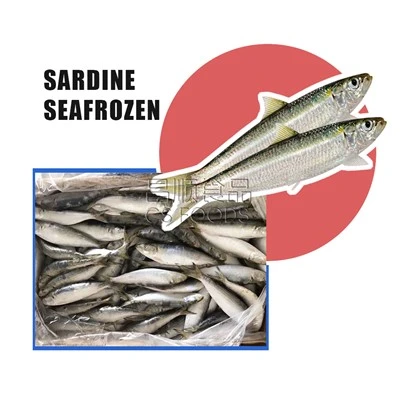
In conclusion, the diet of Pacific Mackerel is diverse and plays a crucial role in their growth and survival. These fish are opportunistic feeders that consume a variety of prey, including zooplankton, small fish, and squid. Understanding the dietary habits of the mackerel is important for the fishing industry, consumers, and the environment. As a supplier of Pacific Mackerel, I am committed to providing high-quality fish that are sustainably sourced. If you are interested in purchasing Pacific Mackerel, please contact me to discuss your needs.
Grey Mullet References
- Love, M. S. (2011). Probably more than you want to know about the fishes of the Pacific Coast. University of California Press.
- Froese, R., & Pauly, D. (Eds.). (2023). FishBase. World Wide Web electronic publication.
Changshion Foods Co., Ltd.
As one of the most professional pacific mackerel manufacturers and suppliers in China, we have world-leading production equipment and strong manufacturing capabilities. Please rest assured to wholesale high quality pacific mackerel at competitive price from our factory.
Address: NO. 710, JIUER EAST ROAD, SHISHI CITY, QUANZHOU CITY, FUJIAN PROVINCE, CHINA
E-mail: info@changshion.com
WebSite: https://www.changshionfoods.com/
