As a seasoned supplier of extrusion machines, I’ve witnessed firsthand the remarkable evolution of this technology over the years. Extrusion machines play a pivotal role in various industries, from plastics and rubber to food and pharmaceuticals. In this blog post, I’ll delve into the cutting – edge technologies that are revolutionizing the world of extrusion machines. Extrusion Machine
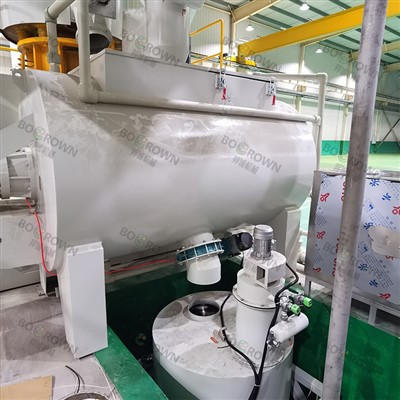
1. Advanced Control Systems
One of the most significant advancements in extrusion machines is the integration of advanced control systems. Traditional extrusion processes often relied on manual adjustments and basic automation, which could lead to inconsistencies in product quality. Modern control systems, however, offer a high degree of precision and flexibility.
PLC (Programmable Logic Controller) based control systems have become the standard in many extrusion setups. These controllers can be programmed to manage multiple parameters simultaneously, such as temperature, pressure, and speed. For example, in a plastic extrusion process, the PLC can adjust the screw speed based on the melt pressure to ensure a consistent flow rate.
Moreover, the advent of touch – screen interfaces has made it easier for operators to interact with the control systems. These intuitive interfaces provide real – time data visualization, allowing operators to monitor the extrusion process at a glance. They can also access historical data, which is invaluable for process optimization and troubleshooting.
Some advanced control systems even incorporate artificial intelligence (AI) and machine learning algorithms. These technologies can analyze large amounts of process data to predict and prevent potential issues. For instance, an AI – enabled control system can detect early signs of wear in the extrusion screw and recommend preventive maintenance, reducing downtime and production costs.
2. Energy – Efficient Technologies
In today’s world, energy efficiency is a top priority for manufacturers. Extrusion machines are often energy – intensive, but new technologies are helping to reduce their energy consumption significantly.
One such technology is the use of high – efficiency motors. Modern motors, such as permanent magnet synchronous motors (PMSMs), are more efficient than traditional induction motors. They can operate at a higher power factor, which means less energy is wasted as heat. PMSMs also offer better speed control, allowing the extrusion machine to adjust its motor speed according to the actual load, further saving energy.
Another energy – saving innovation is the development of advanced heating and cooling systems. In extrusion processes, maintaining the right temperature is crucial. New heating elements, such as ceramic heaters, are more energy – efficient than traditional resistance heaters. They heat up faster and can provide more precise temperature control.
On the cooling side, water – cooled systems with variable – speed pumps are becoming increasingly popular. These pumps can adjust the flow rate of the cooling water based on the actual cooling requirements, reducing energy consumption. Additionally, some extrusion machines now use regenerative cooling systems, which recover and reuse the heat energy from the cooling process, further improving energy efficiency.
3. Precision Screw Design
The screw is the heart of an extrusion machine, and recent advancements in screw design have had a profound impact on the performance of these machines.
Modern screw designs are optimized for specific materials and applications. For example, in the extrusion of high – viscosity polymers, screws with longer compression zones and special mixing elements are used. These designs help to ensure thorough mixing of the polymer melt and a uniform extrusion process.
3D printing technology has also played a role in screw design. Manufacturers can now create complex screw geometries that were previously impossible or very difficult to produce using traditional machining methods. 3D – printed screws can have customized flight profiles and internal channels, which can enhance the mixing and conveying capabilities of the screw.
In addition, the use of advanced materials for screw construction has improved the durability and performance of extrusion screws. For example, screws made from high – alloy steels or coated with wear – resistant materials can withstand the high pressures and temperatures in the extrusion process, reducing wear and extending the service life of the screw.
4. Multi – Layer Extrusion
Multi – layer extrusion is a technology that allows the production of products with multiple layers of different materials. This technology has opened up new possibilities in various industries, such as packaging, automotive, and construction.
In a multi – layer extrusion process, multiple extruders are used to feed different materials into a single die. The die is designed to combine the different layers into a single product. For example, in the packaging industry, multi – layer films can be produced with a barrier layer to prevent the penetration of oxygen and moisture, a printable layer for branding, and a sealant layer for easy sealing.
The key to successful multi – layer extrusion lies in precise control of the flow rate and temperature of each layer. Advanced control systems, as mentioned earlier, are essential for achieving this. Additionally, the design of the die is critical. New die designs, such as feedblock dies and multi – manifold dies, are being developed to ensure uniform layer distribution and high – quality product output.
5. Integration with Industry 4.0
The concept of Industry 4.0 is transforming the manufacturing landscape, and extrusion machines are no exception. Integration with Industry 4.0 technologies allows extrusion machines to be part of a smart manufacturing ecosystem.
One aspect of Industry 4.0 integration is the use of the Internet of Things (IoT). Extrusion machines can be equipped with sensors that collect data on various parameters, such as temperature, pressure, and vibration. This data can be transmitted to a central server via the Internet, where it can be analyzed in real – time. Manufacturers can use this data to monitor the performance of their machines, predict maintenance needs, and optimize production processes.
Cloud computing is another important component of Industry 4.0 integration. By storing data in the cloud, manufacturers can access it from anywhere, at any time. This allows for remote monitoring and control of the extrusion machines, enabling faster decision – making and troubleshooting.
Furthermore, the integration of extrusion machines with other manufacturing equipment, such as robots and conveyor systems, through industrial Ethernet and other communication protocols is becoming more common. This seamless integration enables a more automated and efficient production process.
6. Self – Cleaning and Maintenance – Free Features
Maintenance is a significant cost factor in the operation of extrusion machines. To address this issue, new technologies are being developed to reduce the need for frequent maintenance.
Self – cleaning extrusion machines are an emerging trend. These machines are designed with features that allow them to clean themselves during the production process or during a dedicated cleaning cycle. For example, some extrusion screws are equipped with special surfaces or coatings that prevent the adhesion of materials, reducing the build – up of residues.
In addition, the development of maintenance – free components is making extrusion machines more reliable and cost – effective. Sealed bearings, lubrication – free guides, and long – life wear parts are being used to minimize the need for regular maintenance. This not only reduces downtime but also lowers the overall cost of ownership.
Contact Us for Procurement
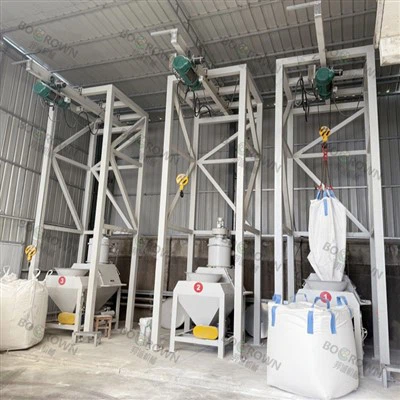
If you’re in the market for an extrusion machine and are interested in these new technologies, we’d love to have a conversation with you. Our team of experts has in – depth knowledge of the latest advancements in extrusion technology and can help you select the machine that best suits your specific needs. Whether you’re looking for a single – screw extruder for a small – scale operation or a multi – layer extrusion system for a large – scale manufacturing plant, we have the solutions.
PE Centralized Feeding System To start the procurement process, simply reach out to us. We’ll be happy to provide you with detailed information, product specifications, and price quotes. Let’s work together to take your manufacturing processes to the next level with the latest extrusion machine technologies.
References
- "Extrusion of Polymers: Theory and Practice" by Z. Tadmor and C. G. Gogos
- "Handbook of Plastics Extrusion Technology" by James F. Carley
- Industry reports from the Society of Plastics Engineers (SPE)
- Research papers on extrusion technology from academic journals such as Polymer Engineering and Science.
ZJG BC Machinery Co., Ltd.
As one of the most professional extrusion machine manufacturers and suppliers in China, we’re featured by quality products and good price. Please rest assured to buy cost-efficient extrusion machine for sale here from our factory. Contact us for custom service and OEM service.
Address: No.8 Lexi Road, Leyu Town, Zhangjiagang City
E-mail: sales@bcextruder.com
WebSite: https://www.bcextruder.com/
