Hey there, if you’ve been in the milling game for a while, you’ve probably heard the term “trochoidal milling” thrown around by your tool rep or a buddy on the shop floor. But let’s be real—what the heck is it actually, and why is everyone losing their minds over it lately? I’m Jake, and yeah, I run a milling tool supplier that’s been around this block for 12 years, so I’ve seen the chaos of bad tool choices (and the wins when you pick the right one). Today, I’m breaking this down like we’re hanging out by the break room cooler, no stuffy whiteboard jargon needed. Milling Tool
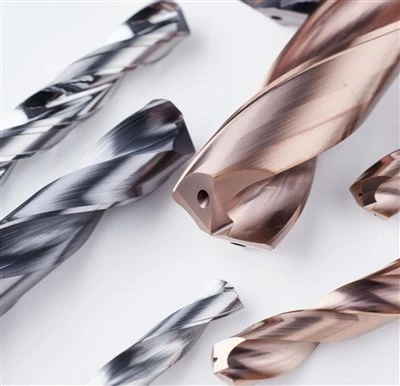
First, let’s skip the textbook definition. Trochoidal milling is a tool path strategy, not a new type of cutter—wait, hold on, I know some folks mix that up, so let’s clarify: it’s how you move the milling tool, not the tool itself. Think of a trochoid like that path a dot makes on the edge of a rolling bike tire, right? The dot moves in a smooth, looping circle as the tire spins. For milling, that means your tool isn’t just slashing straight through the material like a wood chipper (okay, not exactly, but you get the vibe). Instead, it follows that tight, consistent looping path, cutting a narrow width of the material each time but looping around so you cover the full slot or pocket you’re making.
Let’s make it concrete. If you’re cutting a 1-inch wide slot, traditional slot milling might have you shoving the tool straight into 1 inches of material all at once. That means the tool’s making contact with every single flute along its whole length, cranking up the heat, the friction, and the chance it snaps mid-cut. Trochoidal? You’d use a tool that’s maybe 0.25 inches wide, cut a 0.15-inch deep width each loop, and circle around over and over to build up that 1-inch slot. That narrow cut means the tool only engages with a tiny portion of its flutes at any time. Cool, right?
Now, why does that matter for someone like you on the shop floor? Let’s talk advantages—no bullet points, just real stuff I’ve heard from our customers that’s made them call us back for more tools.
First up: way less tool wear. I don’t care if you’re running a solid carbide end mill or a roughing end mill, heat and friction are a tool’s worst enemy. When your tool only touches a small sliver of material at a time, that heat doesn’t build up like it does in traditional milling. We had a customer last year, a job shop that does a ton of aluminum aerospace parts, who was going through 3 roughing end mills a week on their old straight slotting. Switched to trochoidal with our 3-flute solid carbide end mills? Now they go 3 weeks between tool changes. That’s $1,200 a month they’re not wasting on replacement tools—hello, extra profit for their next machine upgrade.
Second: faster cycle times. Wait, hold on, I know some guys think “narrow cuts = slower,” but that’s not true. The loops let you crank up the feed rate and spindle speed way higher without stressing the tool. Let’s do the math for that same 1-inch slot. Traditional: feed rate might be 10 inches per minute (ipm), take 4 passes to get the depth, total time 8 minutes. Trochoidal: feed rate can hit 25 ipm, 2 passes (since each loop adds depth), total time 3.2 minutes. That’s almost 60% faster. Our automotive client that cuts engine blocks? They went from 20 blocks a day to 34 after switching. Their line manager said they added a whole extra shift without hiring anyone—game changer for meeting those just-in-time deadlines.
Third: way safer for your machine. Shops drop a ton of cash on CNC mills, right? A snapped tool that slams into the workpiece or the machine spindle can cost $10k+ in repairs and downtime. Traditional milling’s constant, heavy engagement puts a ton of torque on the spindle and the tool holder. Trochoidal’s consistent, light cuts spread that force out, so you’re not yanking the machine around. We had a guy who ran a old VMC that kept throwing tool holders when he did heavy slotting—now he uses trochoidal and hasn’t had a throw holder in 8 months. That’s less downtime, less stress on your equipment, more peace of mind.
Fourth: better surface finish (when you set it right, but still). Wait, how do narrow cuts make the finish nicer? Because the tool’s not being pushed around by excessive force, it’s spinning smoothly. Those tight loops also mean you’re not leaving those big, rough step marks from straight cuts. Yeah, you still might need a finish pass, but the roughing pass is way smoother so you save time on finishing. Our mold-making customers swear by this—they cut cavities for plastic molds and need a super smooth surface, so trochoidal roughing cuts down their finish time by half.
Fifth: can cut harder materials without breaking a sweat. Titanium, Inconel, hardened steel—those are the tricky stuff, right? Traditional milling on these? Tools snap like twigs because of all the heat and force. Trochoidal’s light, consistent engagement keeps the tool’s temperature low, so it can handle those hard metals way better. We sold a set of our high-performance solid carbide end mills to a defense contractor that cuts turbine blades out of titanium. Before, they broke a tool every 2 blades. Now they get 12 blades per tool. That’s a huge win for them, since titanium’s expensive too—they’re not wasting material or tools.
Wait, but let’s be real—this isn’t a magic trick. There are a couple of things you need to get right to make trochoidal milling work. First, your tool path software can’t be garbage. If your CAM system spits out a choppy, irregular path, you’re not getting any of these advantages. That’s why a lot of our customers pair tools with our recommended CAM settings—we test every tool we sell with specific trochoidal paths, so we can send you a cheat sheet of feed rates, stepovers, and spindle speeds. No guessing.
Second, the tool you use matters. Not all end mills are made for trochoidal milling. You need tools with sharp flutes, good chip evacuation, and enough rigidity to handle those consistent loops. Our trochoidal-specific roughing end mills have uneven flute spacing to reduce vibration, and a polished coating to cut down on heat buildup. I’ve seen guys try to use a regular end mill for trochoidal and complain it’s not working—turns out, they picked the wrong tool. That’s why we always ask customers what material they’re cutting, what machine they’re running, and what parts they’re making before we suggest a tool. No one-size-fits-all here.
Third, you can’t rush it. Even though cycle times are faster, you still need to follow the path. If you try to make the loops too big, you’re back to the same heavy engagement problem. Our rep team will walk you through setting up the path if you’re new to it—we’ve got guys on staff who’ve been doing this for 20 years, so they know how to tweak the path for your specific machine.
Let me throw in a quick customer story to make this real. Last quarter, a small job shop in Detroit came to us. They were doing work for a medical device company, cutting 316L stainless steel slots for surgical tools. They were using traditional slotting, going through 2 end mills a day, cycle time per part was 12 minutes, and they were having trouble meeting their delivery deadlines. We set them up with our 0.5-inch trochoidal roughing end mill, adjusted their CAM path, and upped their spindle speed. Now, cycle time per part is 5 minutes, they go 5 days between tool changes, and they just got a 20% increase in orders because they can deliver faster. The owner sent me a bag of local craft beer last month—he said that little switch saved his shop from having to turn down work. That’s the stuff that makes this job worth it.
Now, if you’re reading this and thinking, “Cool, this sounds good, but is it for me?” Let’s be clear: it’s not just for big shops with fancy CNC mills. We sell these tools to small guys with 2 VMCs who do custom parts, to guys with 50 machines doing automotive work, and everyone in between. If you’re milling slots, pockets, profiles, or any kind of internal cut in metal (aluminum, steel, titanium, stainless), this is worth trying. If you’re still using straight slotting and changing tools every other day, you’re leaving money on the table.
Wait, one last thing—don’t sleep on chip evacuation. Trochoidal milling makes small, consistent chips, which is a good thing, but you still need your coolant or MQL system to handle them. Our tools have deep, open flutes specifically for that, so the chips don’t get stuck and cause friction. We’ve had a few customers try to use old tools with narrow flutes, and they complained about chip clogging—again, tool choice is key.
So, if you’re ready to stop wasting money on broken tools, slow cycle times, and stress about machine damage, hit us up. We don’t do pushy sales stuff—we’ll ask you what you’re working on, show you which tools are right for your material and machine, and even send you a free trial end mill if you want to test it out. No strings attached, just real advice from guys who’ve been in the shop with you.
At the end of the day, milling is all about working smarter, not harder. Trochoidal milling is just one way to do that, and having the right tool makes it 100x better. We’ve been refining our trochoidal tools for years, based on what our customers actually need, so you don’t have to guess. You focus on running your shop, we’ll make sure your tools are up to the job.
Don’t hesitate to reach out if you want to chat through your specific setup—whether you’re cutting aluminum for aircraft parts, titanium for medical devices, or steel for automotive, we’ve got you covered. Let’s get your cycle times down and your tool costs cut, no hassle.
Lathe Chuck References:
- "Trochoidal Milling: Principles and Applications in High-Efficiency Machining" – Journal of Manufacturing Processes, Vol. 42, 2020, pp. 112-121.
- "High-Efficiency Milling Strategies for Hard-to-Cut Materials" – International Journal of Machine Tools and Manufacture, Vol. 65, 2012, pp. 45-53.
- Solid Carbide End Mill Technology for Trochoidal Machining – Sandvik Coromant, 2019.
- "Tool Wear Reduction in Trochoidal Milling of Aluminum Alloys" – Journal of Materials Processing Technology, Vol. 238, 2016, pp. 289-297.
Shun Wei Precision Technology Co., Ltd.
With abundant experience, we are one of the most reliable milling tool manufacturers and suppliers in China. We warmly welcome you to buy durable milling tool at competitive price from our factory. If you have any enquiry about cooperation, please feel free to email us.
Address: Room901, Building2, Yijing Apartment, Northeast side of the intersection of Central Avenue and East Fifth Road, Tianjin Free Trade Zone (Airport Economic Zone)
E-mail: sale@sw-csd.com
WebSite: https://www.tjswprecisiontool.com/
