Hey there! As a supplier of LiFePO4 batteries, I often get asked about the state of health (SOH) of these powerhouses. So, let’s dig into what the SOH of a LiFePO4 battery really means, why it matters, and how you can keep tabs on it. LiFePO4 Battery
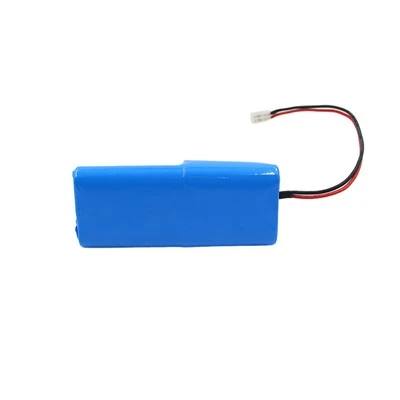
First things first, what exactly is the state of health? Well, in a nutshell, the SOH of a battery is like a report card for its overall condition. It tells you how well the battery is performing compared to when it was brand – spanking new. For a LiFePO4 battery, the SOH is expressed as a percentage. A brand – new battery will have an SOH of 100%. As the battery goes through charge and discharge cycles, its SOH starts to decline.
Why does the SOH decline over time? There are a few reasons. One big factor is the chemical reactions that happen inside the battery during charging and discharging. Every time you charge a LiFePO4 battery, lithium ions move from the cathode to the anode. When you discharge it, the ions move back. Over time, some of these ions can get trapped or cause side reactions that damage the battery’s electrodes. This reduces the battery’s capacity to store and deliver energy, thereby lowering the SOH.
Another thing that can affect the SOH of a LiFePO4 battery is temperature. These batteries are pretty tough, but they don’t love extreme heat or cold. High temperatures can speed up the chemical reactions inside the battery, which can lead to faster degradation. On the other hand, cold temperatures can make it harder for the lithium ions to move around, reducing the battery’s efficiency.
How can you tell what the SOH of your LiFePO4 battery is? Well, there are a few ways. One method is to measure the battery’s capacity. You can do this by fully charging the battery and then discharging it at a constant current until it reaches its cut – off voltage. The amount of energy it can supply during this discharge is its actual capacity. Compare this to the battery’s rated capacity (the capacity it had when it was new), and you can calculate the SOH. For example, if a battery has a rated capacity of 100 amp – hours and its actual capacity is 80 amp – hours, its SOH is 80%.
Some advanced battery management systems (BMS) can also estimate the SOH for you. These systems use algorithms that take into account things like the battery’s voltage, current, temperature, and the number of charge – discharge cycles. They constantly monitor the battery and give you an updated SOH reading.
So, why should you care about the SOH of your LiFePO4 battery? If you’re using the battery for something critical, like in a solar energy storage system or an electric vehicle, knowing the SOH can help you plan for maintenance and replacement. A battery with a low SOH won’t be able to store as much energy as it used to, which can lead to shorter run times and reduced performance.
As a LiFePO4 battery supplier, I always recommend keeping an eye on the SOH of your batteries. It’s like taking your car in for regular check – ups. By monitoring the SOH, you can catch any potential problems early and take steps to extend the life of your battery.
One way to extend the SOH of your LiFePO4 battery is to charge and discharge it properly. Avoid overcharging and over – discharging, as these can cause significant damage to the battery. Most modern BMSs are designed to prevent overcharging and over – discharging, but it’s still a good idea to be aware of these issues.
Also, try to keep the battery at a reasonable temperature. If you’re using the battery in a hot environment, consider using some kind of cooling system. In cold weather, you might want to insulate the battery or use a heater to keep it at an optimal temperature.
Now, let’s talk about how the SOH of LiFePO4 batteries compares to other types of batteries. LiFePO4 batteries are known for their long cycle life and high SOH retention. Compared to traditional lead – acid batteries, LiFePO4 batteries can go through many more charge – discharge cycles before their SOH drops significantly. This makes them a great choice for applications where you need a reliable, long – lasting power source.
If you’re thinking about switching to LiFePO4 batteries or upgrading your existing ones, it’s important to understand the SOH concept. It will help you make informed decisions about which battery is right for you and how to take care of it.
As a supplier, I’ve seen firsthand how LiFePO4 batteries can revolutionize energy storage and power applications. These batteries are not only more efficient but also more environmentally friendly than many other options out there.
If you’re in the market for high – quality LiFePO4 batteries and want to learn more about how to maintain their SOH, feel free to reach out. Whether you’re a small business owner looking to power your off – grid operation or an individual interested in a reliable home energy storage solution, I’m here to help you find the perfect battery for your needs. Our team of experts can answer all your questions and guide you through the selection process.
In conclusion, understanding the state of health of a LiFePO4 battery is crucial for getting the most out of your energy storage system. By keeping an eye on the SOH, taking proper care of your battery, and choosing the right battery for your application, you can ensure a long and reliable performance from your LiFePO4 battery.
Ready to take the next step? Contact us today to start a conversation about your battery needs. Let’s work together to find the best LiFePO4 battery solution for you.
Semi-solid Lithium-ion Battery References
- Linden’s Handbook of Batteries, 4th Edition
- Research papers on lithium – ion battery degradation from various academic journals in the electrochemistry field.
Suzhou Huaqian Contemporary New Energy Technology Co., Ltd.
As one of the most professional lifep04 battery manufacturers and suppliers in China, we warmly welcome you to wholesale bulk customized lifep04 battery at competitive price from our factory. If you have any enquiry about cooperation, please feel free to email us.
Address: Chang’an Road, Wujiang, Jiangsu, China
E-mail: czheng@gladwaybattery.com
WebSite: https://www.gladwaybattery.com/
